
Robotic Knee Replacement Perth
Knee Procedures
Knee pain is rarely just a knee problem. It affects how you walk, how you sleep, how you manage a flight of stairs — and over time, it has a way of quietly shrinking what you’re willing to attempt.
The knee is a complex hinge joint connecting the thigh and lower leg, stabilised by ligaments, cushioned by cartilage and menisci, and relied upon for virtually every movement you make. When the structures inside the knee are damaged or worn, the effects are felt well beyond the joint itself.
Whether you’re managing early-stage arthritis or you’ve been told you need a knee replacement, my goal is the same: to find the right solution for you, and to restore your movement with as little disruption as possible. My fellowship training in robotic-assisted knee surgery and joint-preserving procedures means I can offer a full range of options; from protecting your natural knee, through to full replacement when that’s the right clinical decision.
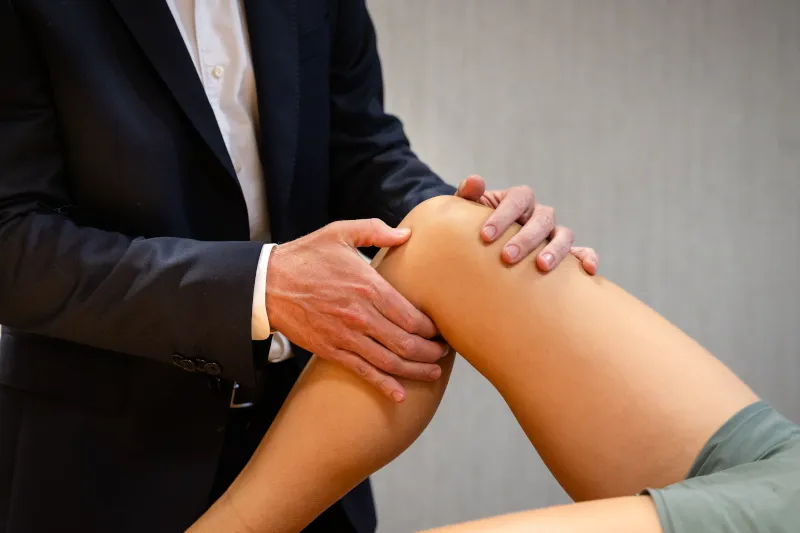
I consult at Subiaco Private Consulting Rooms and St John of God Midland, and operate at Hollywood Private Hospital, Bethesda Health Care, St John of God Subiaco, St John of God Mt Lawley, and St John of God Midland. Referrals from across the Perth metro area and regional WA are welcomed.
Dr David Kerr
Fellowship-trained knee surgeon
Conditions I Treat
Arthritis & Joint Degeneration
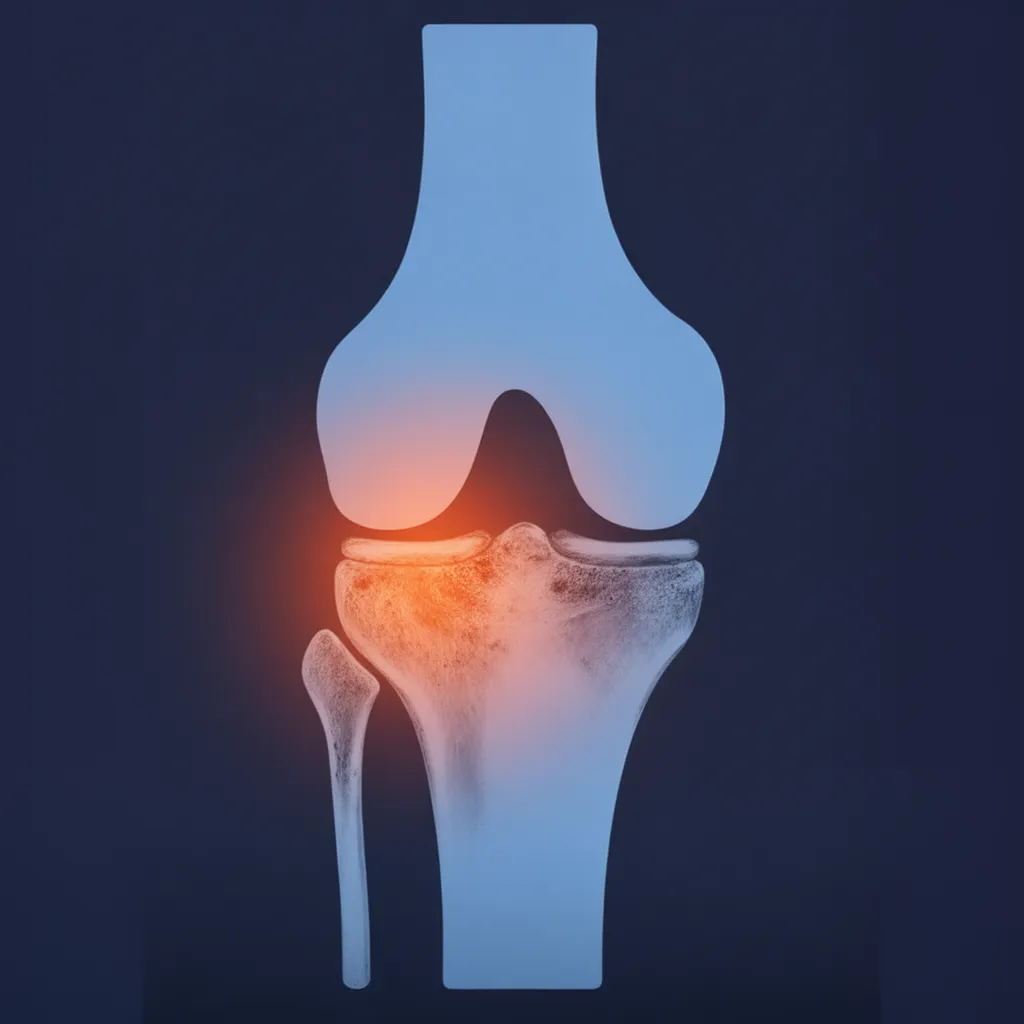
Knee Osteoarthritis
Cartilage breakdown causing pain, stiffness and a progressive loss of function, the most common form of knee arthritis.
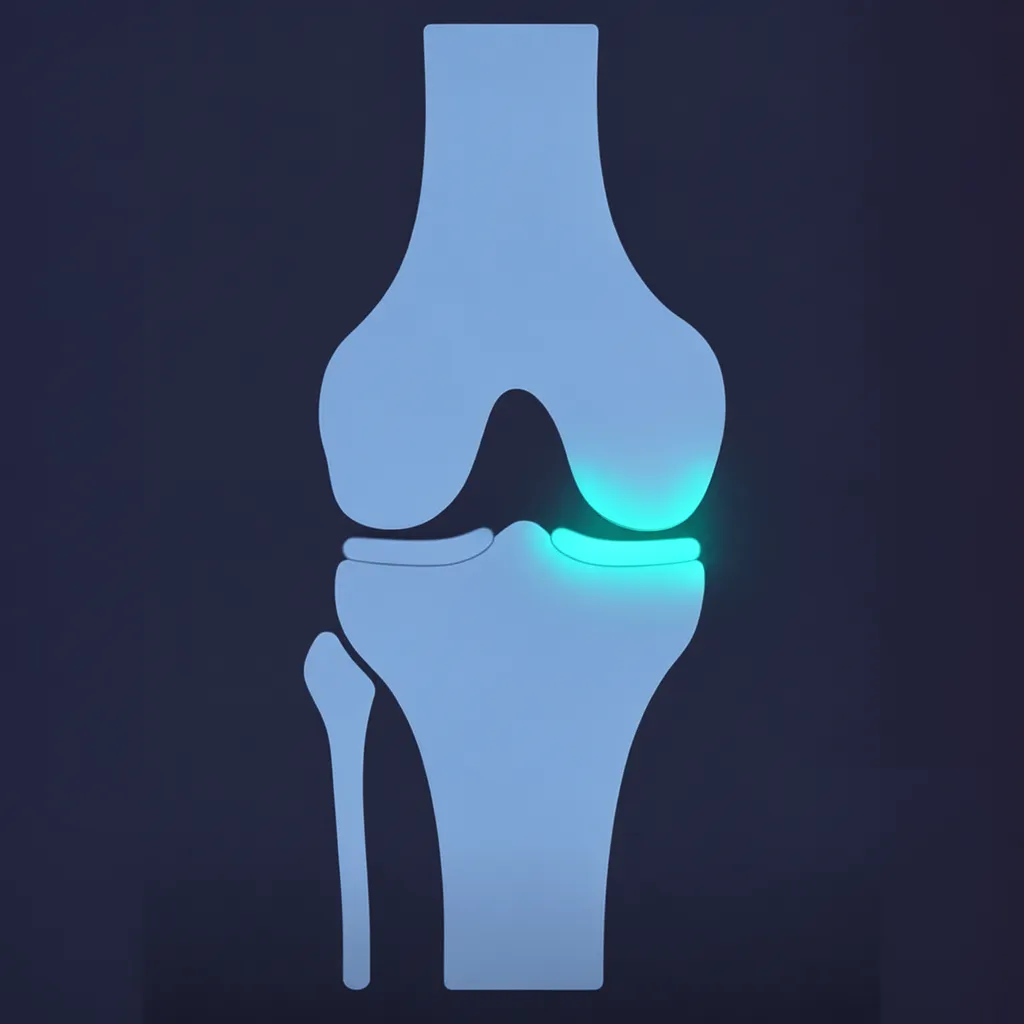
Compartment Arthritis
Wear localised to one side of the knee (inner or outer), treated with joint-preserving or replacement options depending on severity.
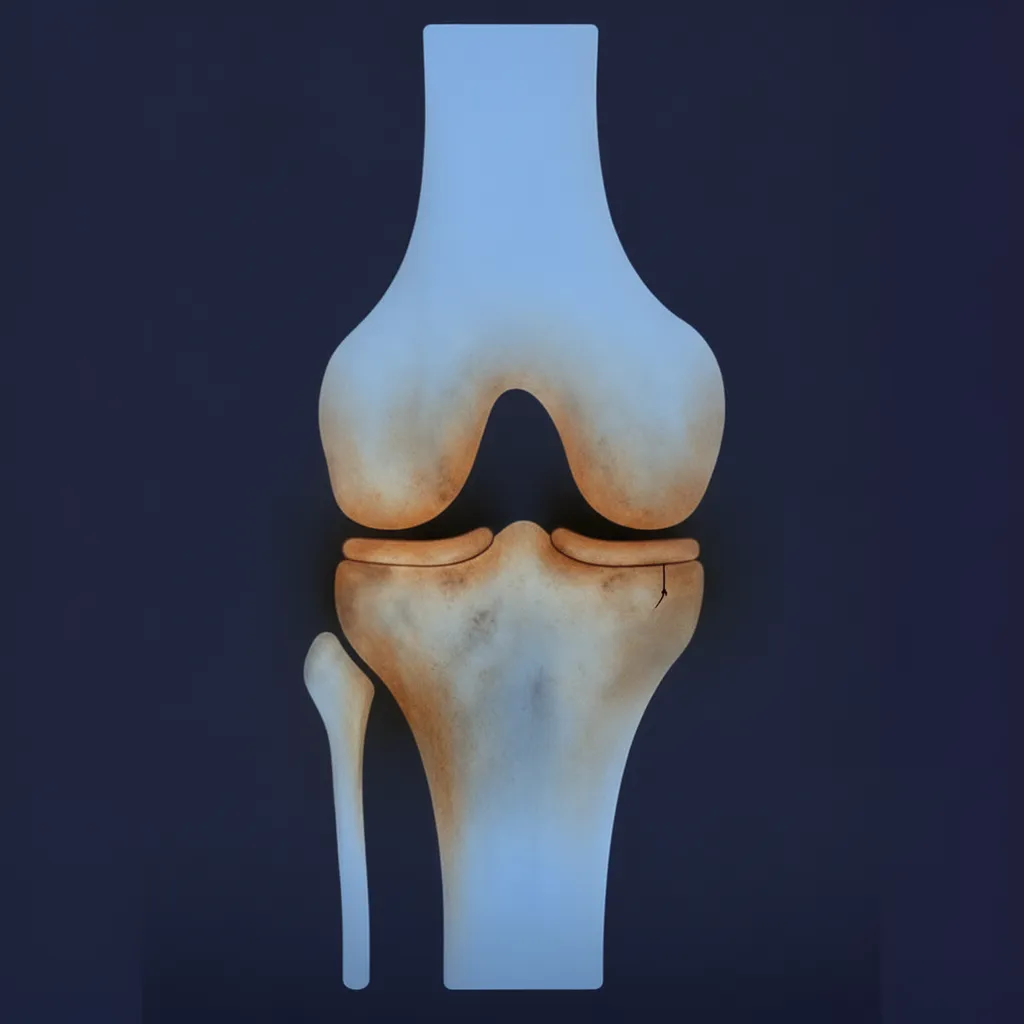
Post-Traumatic Arthritis
Joint degeneration that develops after a previous knee injury or fracture, often accelerating wear beyond typical age-related changes.
Ligament & Soft Tissue Injuries
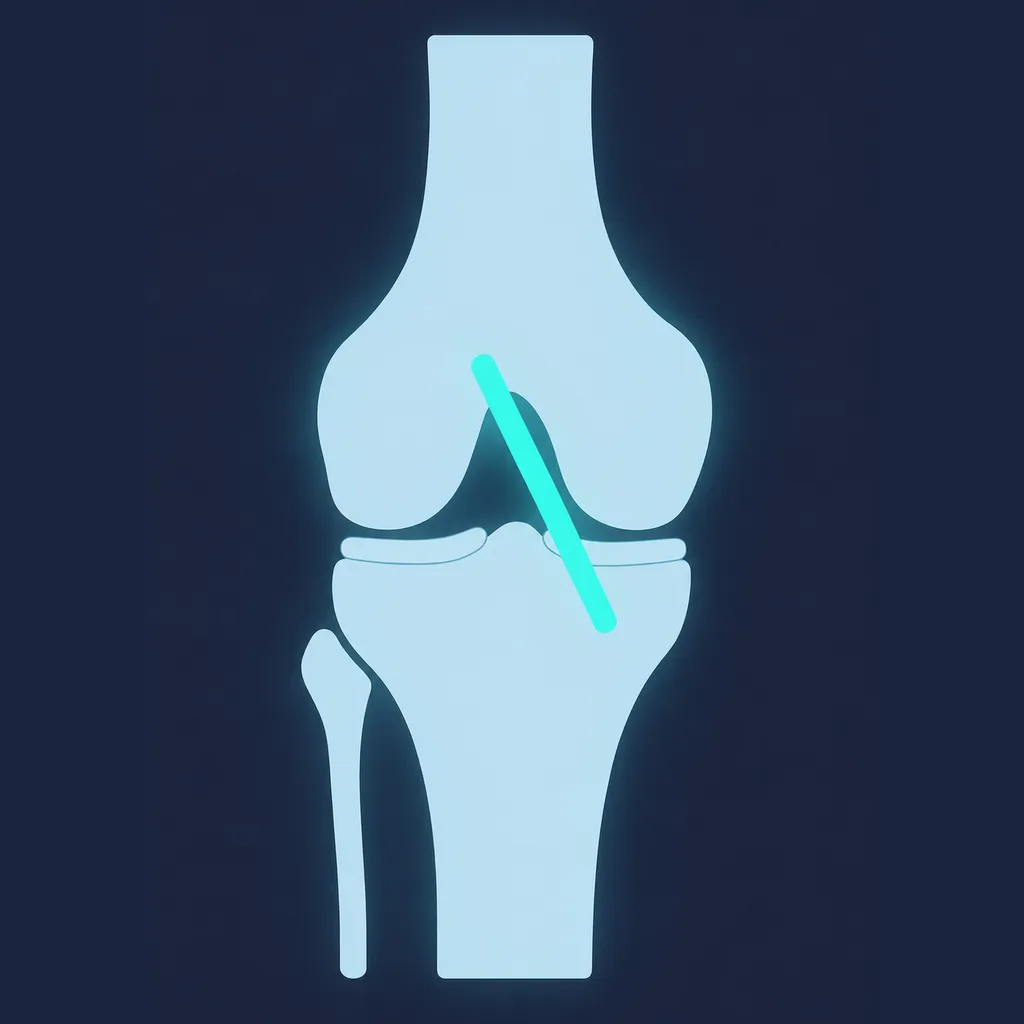
ACL Tears
Reconstruction using a range of graft techniques, tailored to your anatomy and sporting demands.
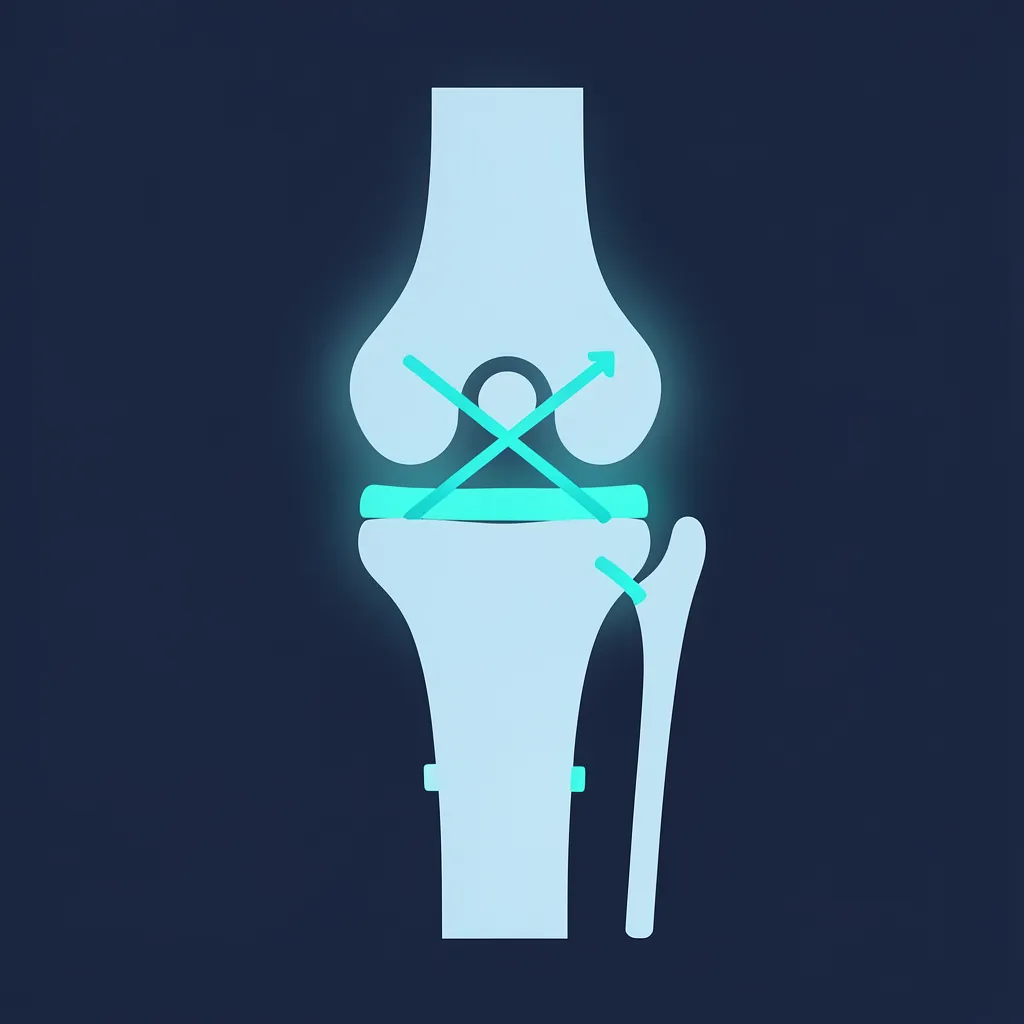
PCL Injuries
Reconstruction and repair, often combined with management of multiple-ligament injuries.
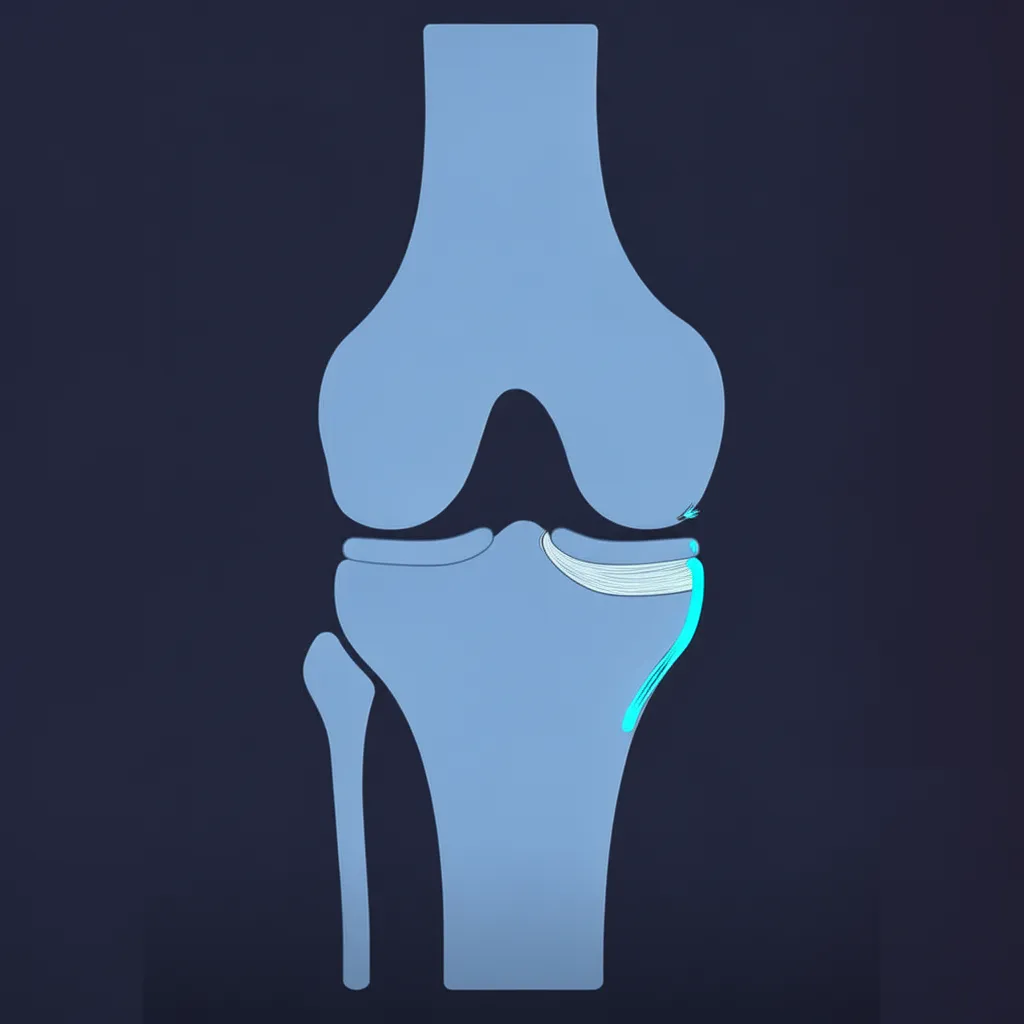
Patellar Instability
Recurrent dislocation and maltracking, including MPFL reconstruction.
Meniscal & Cartilage Conditions
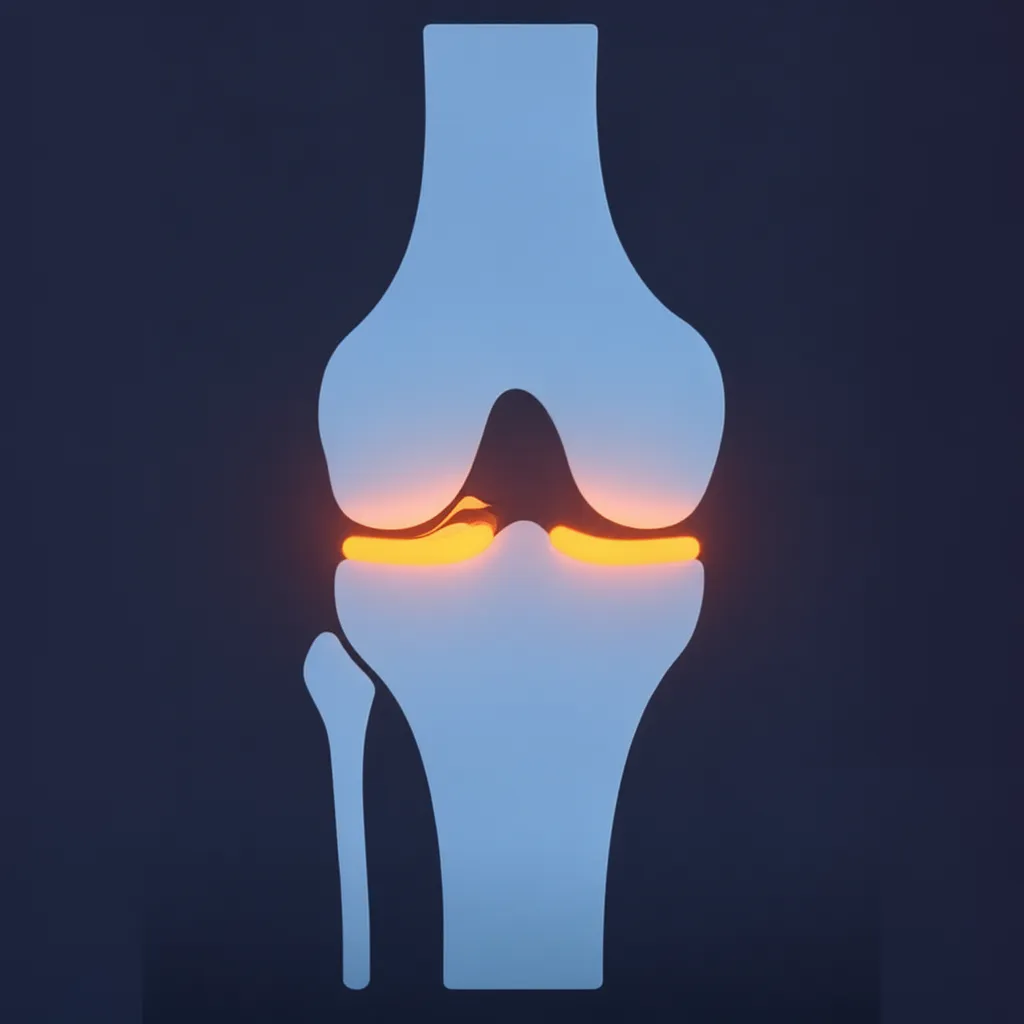
Meniscal Tears
Repair-first approach wherever tissue quality allows, to preserve the meniscus and protect long-term joint health.
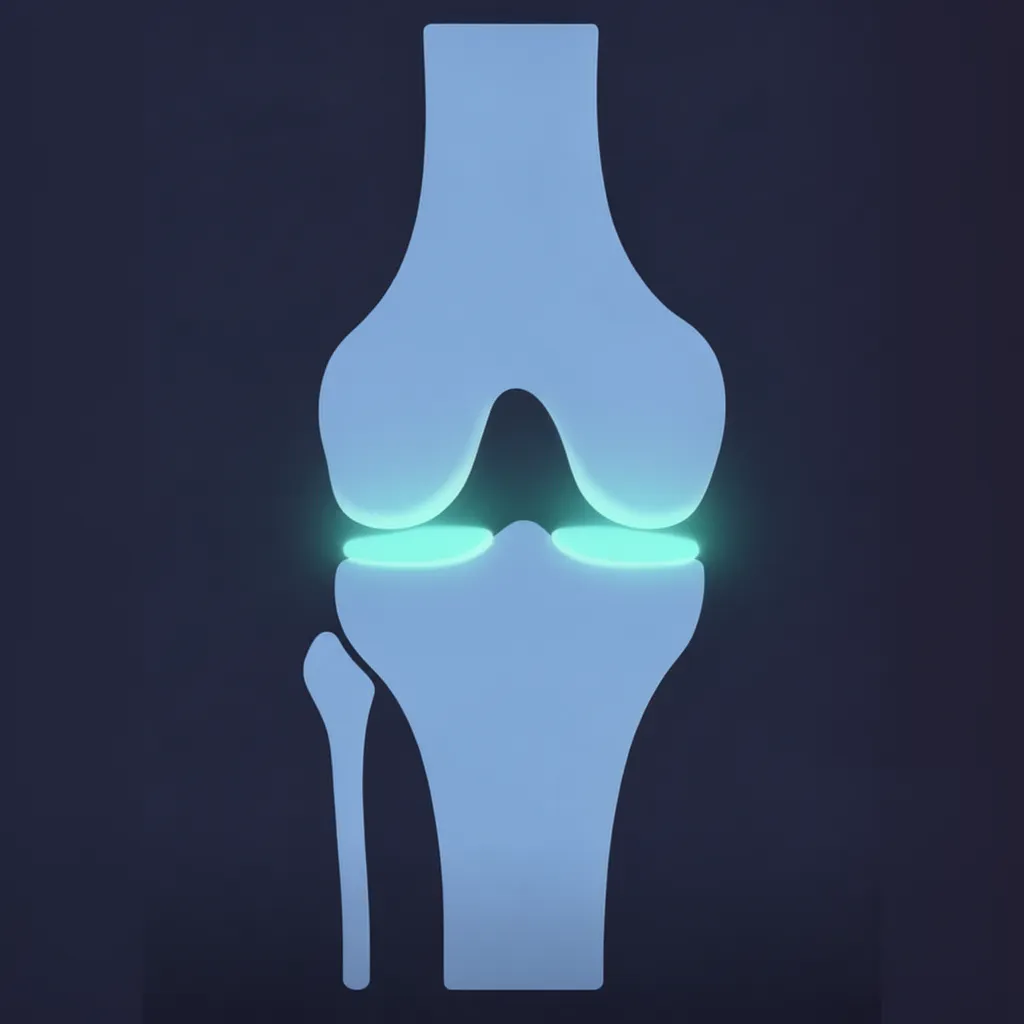
Cartilage Injuries
Joint-preserving options for active patients, including cartilage repair and restoration techniques.
My Approach
24-Hour Acute Review Perth
Surgery isn't always the answer, and when it is, the timing and technique matter as much as the decision itself. I work closely with your physiotherapist or sports medicine physician to ensure every decision is made in the right context. If surgery is the right path, I'll explain exactly what to expect, what the evidence shows, and what your recovery timeline looks like in practical terms.
For Perth patients with private health cover, my rooms can usually schedule an initial consultation within 1 to 2 weeks, with surgery timing dependent on the procedure and your insurer's approval.
No two knees are the same, and no two patients want the same things from surgery. Getting the plan right means understanding both
Dr David Kerr
Knee Replacement Perth
Surgical Techniques
ACL Graft Options & Repair-First
Where surgery is indicated, I use minimally invasive techniques to reduce tissue disruption and support faster recovery. For ACL reconstruction, I offer multiple graft options, selected based on your individual anatomy, age, activity level, and return-to-sport goals.

Total Knee Replacement
For patients with advanced knee arthritis affecting the whole joint, total knee replacement reliably reduces pain and restores function.
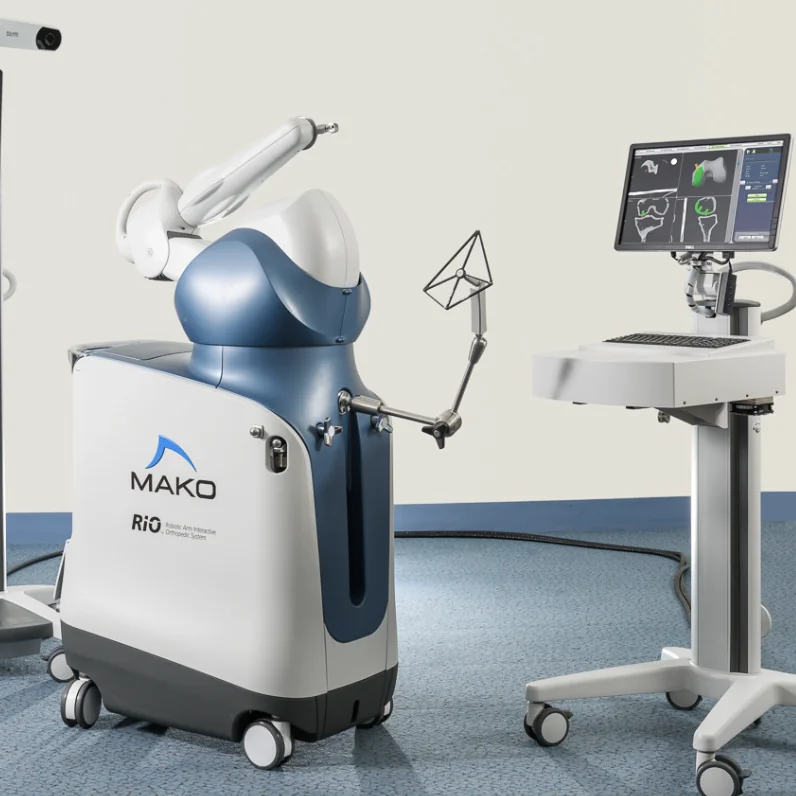
Robotic-Assisted Knee Surgery
Robotic assistance allows me to plan your surgery in detail before entering theatre, and to execute that plan with a level of precision that isn’t achievable by hand alone. The result is more accurate implant positioning, better alignment, and outcomes that are consistently matched to your specific anatomy. Most patients are weight-bearing on the day of surgery.

Partial Knee Replacement
Where arthritis is confined to one compartment of the knee, a partial replacement preserves the healthy remaining joint structures while resurfacing only the damaged area. This is a less invasive option with a faster recovery; it is appropriate for carefully selected patients.

Joint-Preserving Procedures
For younger or more active patients, preserving your natural knee is always the preferred starting point. Joint-preserving options, including osteotomies and cartilage procedures are discussed in the context of your imaging, symptoms, age, and long-term activity goals.
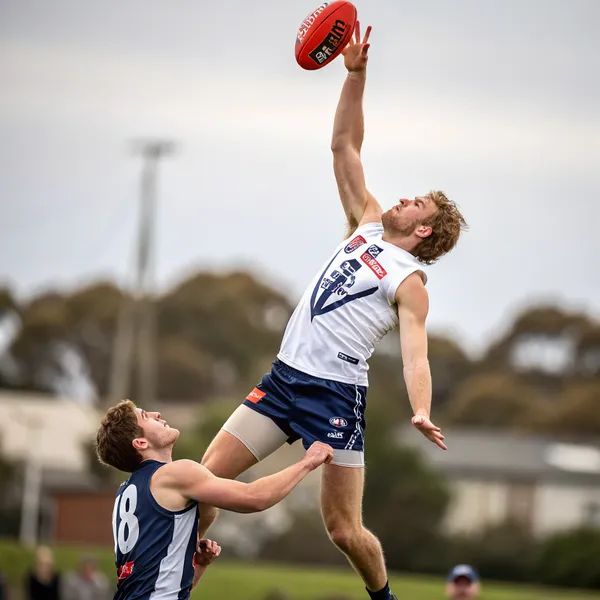
ACL Reconstruction
ACL reconstruction is performed using a range of graft options, selected based on your anatomy, age, sport, and return-to-activity goals. I’ll explain the evidence behind each option so you can be involved in that decision.
What to Expect After Knee Surgery
Recovery from knee surgery depends on the procedure. After total or partial knee replacement, most patients are weight-bearing on the day of surgery, with a structured rehabilitation program beginning immediately. After ligament reconstruction, recovery is more gradual, with return to sport typically between nine and twelve months for ACL reconstruction, guided by functional progress rather than time alone.
What stays consistent is my involvement. I’ll give you a clear, realistic picture of your recovery before you go into theatre, and I’ll stay connected throughout, working closely with your physiotherapy team at every stage.
My background in physiotherapy means I understand what meaningful recovery actually requires: not just tissue healing, but strength, confidence, and the ability to trust your knee again. You won’t be handed off after the procedure.
My job isn't just to fix the joint, it's to understand what getting back to full movement means for your life and build the plan around that.
Dr David Kerr
Knee Replacement Surgery Perth
Frequently Asked Question
Who is the best knee replacement surgeon in Perth?
The phrase "best knee surgeon" is searched often, but the most useful question is who has the right training and experience for your specific problem. For knee replacement in Perth, I would look for a fellowship-trained surgeon who performs the procedure regularly, uses current evidence-based techniques including robotic-assisted surgery where appropriate, and works across multiple hospitals so you have access to care close to where you live. I am fellowship-trained in robotic-assisted knee surgery and joint-preserving procedures, and I operate at Hollywood Private Hospital, Bethesda Health Care, St John of God Subiaco, St John of God Mt Lawley, and St John of God Midland. My rooms can usually schedule an initial consultation within 1 to 2 weeks for Perth patients with private health cover.
How much does knee replacement cost in Perth?
In Australia, knee replacement is typically covered by private health insurance. The out-of-pocket cost varies depending on your insurer, your excess, and whether you have any waiting periods for pre-existing conditions. It also depends on the prosthesis used and any allied care required during recovery. For an accurate quote specific to your situation, contact my rooms at admin@jointsolutions.com.au and we will provide a transparent estimate before you commit to anything.
How long does knee replacement recovery take in Perth?
Most patients are weight-bearing on the day of surgery, and the structured rehabilitation program begins immediately. The full recovery timeline depends on the procedure. A partial knee replacement generally returns people to most activities within 6 to 12 weeks. A total knee replacement typically takes 3 to 6 months for full recovery, with continued improvement over 12 months. Robotic-assisted surgery does not shorten recovery dramatically, but it can improve the precision of implant positioning, which may have long-term benefits. I will give you a realistic timeline specific to your situation before surgery.
Is robotic knee replacement better than traditional knee replacement?
Robotic-assisted surgery is a tool, not a magic wand. Where it helps is in the precision of implant positioning and alignment, which can lead to better long-term outcomes, particularly in patients with more complex anatomy. The surgeon still drives the plan, and the robot just executes it more accurately. The most important factor in any knee replacement is the experience of the surgeon, not the technology alone. I use robotic assistance because the evidence supports better alignment and more consistent outcomes, but I will only recommend it if it is the right choice for your specific knee.
Am I a candidate for partial knee replacement?
Partial knee replacement is appropriate for patients whose arthritis is confined to a single compartment of the knee, where the ligaments are intact, and where the knee is well-aligned. It is a less invasive option with a faster recovery and a more natural-feeling knee compared to total replacement. It is not suitable for everyone. Patients with inflammatory arthritis, significant deformity, or widespread cartilage damage typically benefit more from total knee replacement. The decision is made on imaging, examination, and your individual goals. If you are a candidate, I will discuss it with you. If you are not, I will explain why.
Where can I get a knee replacement in Perth?
I consult at Subiaco Private Consulting Rooms and St John of God Midland Hospital, and I operate at Hollywood Private Hospital, Bethesda Health Care, St John of God Subiaco, St John of God Mt Lawley, and St John of God Midland Public and Private Hospitals. Patients come from across the Perth metro area and regional Western Australia. Referrals can be sent through Healthlink EDI `jointsln`, by phone to (08) 9243 8133, by mobile to 0447 282 067, or by email to admin@jointsolutions.com.au.
Knee Procedures : Advice to GPs
Refer early for end-stage knee arthritis
Joint replacement is more straightforward, with better outcomes, in patients who have not fully deconditioned. If your patient has tried conservative management and is no longer getting reliable relief from daily activities, a surgical opinion is worth considering.
Pre-referral workup
Pre-referral workup is helpful even when it is not strictly required. A weight-bearing AP, lateral, and skyline knee X-ray, recent bloods if an inflammatory cause is suspected, and a functional assessment such as the Oxford Knee Score give me a clear starting point. Send imaging through Healthlink or admin@jointsolutions.com.au.
Differential diagnosis matters
Knee pain is often referred. Before referring for knee surgery, consider hip pathology, vascular claudication, and lumbar radiculopathy. A standing AP pelvis X-ray will rule out most hip pathology that presents as medial knee pain.
Red flags for same-day or next-day review
include a locked knee, mechanical symptoms with inability to weight-bear, rapidly progressive deformity, and any suspicious mass. Send these through and I will see them promptly.
Younger patients with unicompartmental arthritis
Younger patients with unicompartmental arthritis are often better served by partial knee replacement or osteotomy than by total knee replacement. Joint-preserving options exist and are appropriate for selected patients. Refer early so the conversation can happen before the arthritis becomes too advanced.
How to refer
Healthlink EDI `jointsln`, phone (08) 9243 8133, mobile 0447 282 067, or email admin@jointsolutions.com.au. Routine referrals are reviewed within 5 business days. Urgent referrals are reviewed within 24 hours.
Where care is delivered
I consult at Subiaco Private Consulting Rooms and St John of God Midland Hospital. I operate at Hollywood Private Hospital, Bethesda Health Care, St John of God Subiaco, St John of God Mt Lawley, and St John of God Midland. Patients from across Perth metro and regional WA are welcomed.